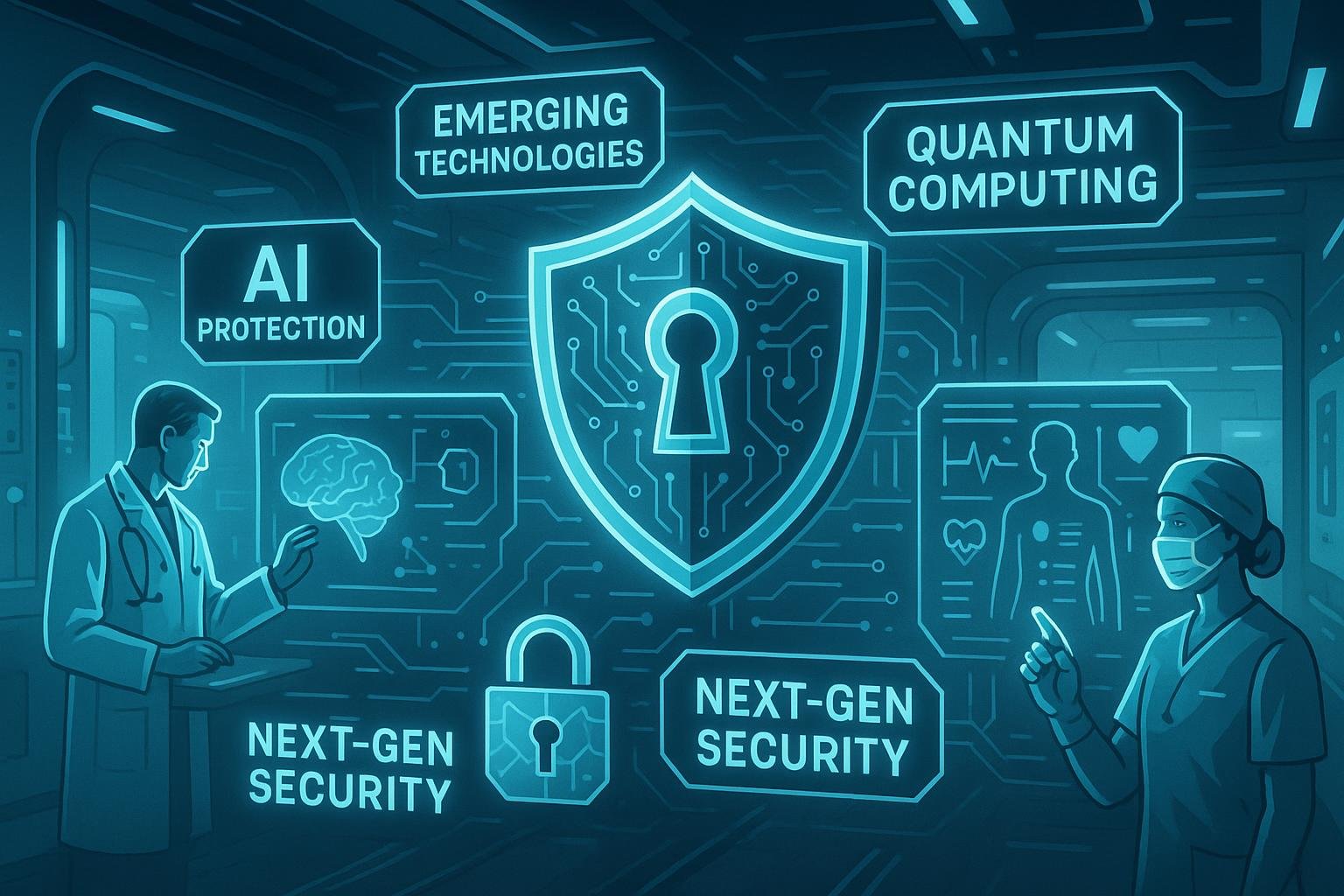
Introduction
As Dr. Maria Rodriguez stood before the International Healthcare AI Security Summit in 2025, she reflected on how dramatically the landscape had changed since she first implemented ambient clinical AI at Global Health Network five years earlier. What began as a simple speech-to-text system had evolved into a sophisticated ecosystem of interconnected AI agents that could diagnose diseases, recommend treatments, predict patient outcomes, and even conduct autonomous medical research.
“When we started this journey, our biggest concern was protecting patient conversations from traditional cyber threats,” Dr. Rodriguez told the assembled audience of healthcare leaders, security professionals, and AI researchers. “Today, we’re dealing with AI systems that can think, learn, and make decisions that directly impact human lives. The security challenges we face are no longer just about protecting data—they’re about protecting intelligence itself.”
The evolution had been remarkable. Ambient clinical AI had grown from basic transcription services to comprehensive clinical intelligence platforms that could process multiple data streams simultaneously—voice, video, biometric sensors, electronic health records, and real-time patient monitoring data. These systems could now detect subtle changes in patient condition, predict clinical deterioration hours before traditional methods, and provide personalized treatment recommendations based on vast databases of medical knowledge.
But with this evolution came new and unprecedented security challenges. AI systems were now targets for nation-state actors seeking to disrupt healthcare infrastructure, criminal organizations looking to manipulate medical decisions for profit, and even terrorist groups attempting to weaponize medical AI for mass harm.
“The future of healthcare AI security isn’t just about defending against today’s threats,” Dr. Rodriguez continued. “It’s about anticipating and preparing for threats we can’t yet imagine, building security architectures that can evolve as quickly as the AI systems they protect, and ensuring that as we unlock the incredible potential of artificial intelligence in healthcare, we don’t compromise the trust and safety that are fundamental to medical care.”
Today, in this final installment of our comprehensive series on securing ambient clinical note AI systems, we’ll explore the future of healthcare AI security—examining emerging threats, revolutionary technologies, and strategic frameworks that will shape the next decade of AI security in healthcare.
The Evolving Threat Landscape
The future of healthcare AI security will be shaped by increasingly sophisticated threats that target not just data and systems, but the intelligence and decision-making capabilities of AI itself.
Next-Generation AI Attacks
Autonomous Attack Systems:
The future will see the emergence of AI-powered attack systems that can autonomously identify vulnerabilities, adapt their tactics in real-time, and conduct sophisticated campaigns against healthcare AI infrastructure.
“`
Autonomous AI Attack Capabilities:
Self-Learning Attack Systems:
- AI attackers that learn from defensive responses
- Adaptive attack strategies that evolve during campaigns
- Autonomous vulnerability discovery and exploitation
- Real-time tactical adjustment based on defensive measures
Swarm Attack Coordination:
- Coordinated attacks across multiple AI systems simultaneously
- Distributed attack orchestration and synchronization
- Collective intelligence for attack optimization
- Resilient attack networks that adapt to disruption
Stealth and Persistence:
- AI attacks designed to remain undetected for extended periods
- Gradual corruption of AI systems over months or years
- Self-hiding capabilities that evade detection systems
- Persistent access through AI behavior modification
“`
Quantum-Enhanced Attacks:
As quantum computing becomes more accessible, attackers will leverage quantum capabilities to break current encryption methods and conduct previously impossible attacks against AI systems.
“`
Quantum Threat Scenarios:
Cryptographic Attacks:
- Quantum computers breaking current encryption standards
- Rapid decryption of protected AI training data
- Compromise of AI model protection mechanisms
- Exposure of previously secure AI communications
Quantum Machine Learning Attacks:
- Quantum-enhanced adversarial example generation
- Quantum algorithms for AI model extraction
- Quantum-powered data poisoning campaigns
- Quantum optimization of attack strategies
“`
Deepfake and Synthetic Media Attacks:
Advanced deepfake technology will enable attackers to create convincing fake patient interactions, medical imaging, and clinical documentation that can fool even sophisticated AI systems.
“`
Synthetic Media Attack Vectors:
Fake Patient Interactions:
- AI-generated patient conversations and symptoms
- Synthetic medical histories and documentation
- Fake clinical encounters for AI training corruption
- Deepfake audio and video for ambient AI deception
Medical Imaging Manipulation:
- AI-generated fake medical images and scans
- Subtle manipulation of diagnostic imaging
- Synthetic pathology and laboratory results
- Deepfake medical video and documentation
“`
Emerging Attack Surfaces
Internet of Medical Things (IoMT) Integration:
As ambient clinical AI systems integrate with an expanding ecosystem of medical devices and sensors, new attack surfaces will emerge that combine traditional IoT vulnerabilities with AI-specific threats.
“`
IoMT-AI Attack Scenarios:
Sensor Data Manipulation:
- Manipulation of biometric sensors feeding AI systems
- False vital sign data to influence AI decisions
- Coordinated sensor attacks across multiple patients
- Subtle data corruption to bias AI learning
Device Network Exploitation:
- Lateral movement through medical device networks
- Compromise of AI systems through connected devices
- Distributed attacks using compromised medical devices
- Supply chain attacks through device manufacturers
“`
Edge AI Vulnerabilities:
The deployment of AI processing at the edge—in medical devices, local servers, and mobile systems—will create new vulnerabilities that are harder to monitor and protect.
“`
Edge AI Security Challenges:
Physical Access Attacks:
- Direct manipulation of edge AI hardware
- Physical tampering with AI processing units
- Extraction of AI models from edge devices
- Hardware-based backdoor insertion
Distributed Attack Coordination:
- Coordinated attacks across multiple edge AI systems
- Distributed denial of service against edge AI networks
- Synchronized corruption of edge AI models
- Collective intelligence extraction from edge deployments
“`
Revolutionary Security Technologies
The future of healthcare AI security will be enabled by breakthrough technologies that provide unprecedented protection capabilities while maintaining the performance and usability required for clinical environments.
Quantum-Safe AI Security
Post-Quantum Cryptography:
Healthcare organizations must prepare for the quantum computing era by implementing cryptographic systems that remain secure even against quantum attacks.
“`
Quantum-Safe Security Implementation:
Quantum-Resistant Algorithms:
- Implementation of NIST-approved post-quantum cryptographic standards
- Hybrid classical-quantum cryptographic systems
- Quantum key distribution for ultimate security
- Quantum-safe digital signatures for AI model integrity
Quantum-Enhanced Security:
- Quantum random number generation for enhanced security
- Quantum-based authentication and identity verification
- Quantum sensing for tamper detection
- Quantum communication networks for secure AI coordination
“`
Quantum Machine Learning Security:
Quantum computing will also enable new defensive capabilities that can protect AI systems more effectively than classical approaches.
“`
Quantum AI Defense Capabilities:
Quantum Anomaly Detection:
- Quantum algorithms for pattern recognition in AI behavior
- Quantum-enhanced threat detection and analysis
- Quantum machine learning for security analytics
- Quantum optimization of security algorithms
Quantum Privacy Protection:
- Quantum-enhanced homomorphic encryption
- Quantum secure multi-party computation
- Quantum differential privacy mechanisms
- Quantum-safe federated learning protocols
“`
Autonomous Security Systems
Self-Defending AI:
Future AI systems will incorporate autonomous security capabilities that can detect, respond to, and recover from attacks without human intervention.
“`
Autonomous AI Security Framework:
Self-Monitoring Capabilities:
- Continuous self-assessment of AI system integrity
- Autonomous detection of performance anomalies
- Self-diagnosis of security issues and vulnerabilities
- Automatic baseline adjustment and optimization
Self-Healing Mechanisms:
- Autonomous recovery from detected attacks
- Self-repair of corrupted AI models and data
- Automatic rollback to known-good system states
- Self-optimization of security controls and defenses
Self-Adaptation:
- Dynamic adjustment of security posture based on threat landscape
- Autonomous learning from attack patterns and defensive responses
- Self-evolution of security capabilities over time
- Adaptive threat modeling and risk assessment
“`
AI Security Orchestration:
Advanced orchestration platforms will coordinate security across multiple AI systems, creating unified defense networks that can respond to threats collectively.
“`
Coordinated AI Defense Networks:
Collective Intelligence:
- Shared threat intelligence across AI security networks
- Collaborative threat detection and analysis
- Distributed security decision-making
- Collective learning from security incidents
Coordinated Response:
- Synchronized defensive actions across multiple AI systems
- Coordinated isolation and containment of threats
- Distributed recovery and restoration procedures
- Collective adaptation to emerging threats
“`
Biometric and Behavioral Security
Continuous Biometric Authentication:
Future security systems will use continuous biometric monitoring to ensure that only authorized individuals can interact with AI systems, while detecting potential compromise or coercion.
“`
Advanced Biometric Security:
Multi-Modal Biometrics:
- Continuous voice pattern analysis during clinical interactions
- Facial recognition and micro-expression analysis
- Gait analysis and behavioral biometrics
- Physiological monitoring for stress and coercion detection
Behavioral Pattern Recognition:
- Continuous analysis of user interaction patterns
- Detection of unusual behavior that may indicate compromise
- Adaptive authentication based on behavioral confidence
- Anomaly detection for insider threat identification
“`
Regulatory and Compliance Evolution
The regulatory landscape for healthcare AI security will continue to evolve rapidly, with new requirements and standards emerging to address the unique challenges of AI in healthcare.
Emerging Regulatory Frameworks
AI-Specific Healthcare Regulations:
Governments and regulatory bodies worldwide are developing comprehensive frameworks specifically for AI in healthcare, with significant implications for security requirements.
“`
Regulatory Development Trends:
AI Transparency and Explainability:
- Requirements for AI decision-making transparency
- Explainable AI mandates for clinical applications
- Audit trail requirements for AI-driven decisions
- Patient rights to AI decision explanations
AI Safety and Efficacy:
- Mandatory AI safety testing and validation
- Continuous monitoring requirements for AI performance
- AI bias detection and mitigation mandates
- Patient safety reporting for AI-related incidents
AI Security Standards:
- Mandatory security controls for healthcare AI systems
- AI-specific penetration testing and vulnerability assessment
- Security certification requirements for AI vendors
- Incident reporting and breach notification for AI systems
“`
International Harmonization:
As healthcare becomes increasingly global and AI systems cross international boundaries, harmonized international standards for AI security will become essential.
“`
Global AI Security Standards:
International Cooperation:
- Harmonized AI security standards across countries
- Mutual recognition of AI security certifications
- International incident sharing and coordination
- Global threat intelligence networks for AI security
Cross-Border Data Protection:
- International frameworks for AI data sharing
- Harmonized privacy protection standards
- Cross-border AI security incident response
- Global AI ethics and security principles
“`
Compliance Automation
Automated Compliance Monitoring:
Future compliance systems will use AI to continuously monitor and ensure compliance with evolving regulatory requirements.
“`
AI-Powered Compliance:
Real-Time Compliance Monitoring:
- Continuous monitoring of AI system compliance status
- Automated detection of compliance violations
- Real-time reporting and notification of compliance issues
- Predictive compliance risk assessment
Automated Compliance Response:
- Automatic implementation of compliance controls
- Autonomous remediation of compliance violations
- Self-updating compliance procedures based on regulatory changes
- Automated compliance reporting and documentation
“`
Strategic Planning for Future AI Security
Healthcare organizations must develop comprehensive strategic frameworks that can adapt to the rapidly evolving landscape of AI security threats and technologies.
Future-Ready Security Architecture
Adaptive Security Frameworks:
Future security architectures must be designed for continuous evolution and adaptation to new threats and technologies.
“`
Evolutionary Security Architecture:
Modular Security Design:
- Component-based security architecture that can be updated independently
- API-driven security services that can be easily replaced or upgraded
- Microservices architecture for security functions
- Container-based security deployments for rapid scaling
Continuous Architecture Evolution:
- Regular architecture reviews and updates
- Automated architecture optimization based on threat landscape
- Predictive architecture planning for emerging technologies
- Agile security architecture development and deployment
“`
Zero-Trust Evolution:
Zero-trust architectures will continue to evolve, incorporating new technologies and addressing emerging threats.
“`
Next-Generation Zero Trust:
AI-Enhanced Zero Trust:
- AI-powered identity verification and authentication
- Machine learning-based risk assessment and access control
- Behavioral analytics for continuous trust verification
- Predictive access control based on threat intelligence
Quantum-Safe Zero Trust:
- Post-quantum cryptography integration
- Quantum-enhanced identity verification
- Quantum-safe communication protocols
- Quantum-resistant access control mechanisms
“`
Organizational Transformation
AI Security Culture:
Organizations must develop cultures that prioritize AI security and enable rapid adaptation to new threats and technologies.
“`
Cultural Transformation Framework:
Security-First AI Development:
- Security considerations integrated into AI development lifecycle
- Security training for AI developers and researchers
- Security metrics and KPIs for AI projects
- Security-aware AI governance and oversight
Continuous Learning Organization:
- Regular training on emerging AI security threats
- Knowledge sharing and collaboration across teams
- Participation in industry security communities
- Investment in research and development for AI security
“`
Workforce Development:
The future of AI security will require new skills and capabilities that organizations must develop proactively.
“`
Future Workforce Requirements:
AI Security Specialists:
- Deep expertise in AI algorithms and security
- Understanding of healthcare workflows and requirements
- Quantum computing and post-quantum cryptography knowledge
- Incident response and forensics for AI systems
Hybrid Professionals:
- Clinical staff with AI security awareness
- Security professionals with healthcare domain knowledge
- AI developers with security expertise
- Compliance professionals with AI understanding
“`
Investment and Resource Planning
Strategic Technology Investments:
Organizations must make strategic investments in technologies and capabilities that will be essential for future AI security.
“`
Investment Prioritization Framework:
Core Security Technologies:
- Post-quantum cryptography implementation
- AI-powered security analytics and monitoring
- Autonomous security response and remediation
- Advanced threat intelligence and hunting capabilities
Emerging Technologies:
- Quantum computing and quantum security
- Biometric and behavioral authentication
- Edge AI security and protection
- Blockchain and distributed ledger technologies
Research and Development:
- Internal AI security research capabilities
- Partnerships with academic institutions
- Collaboration with industry research initiatives
- Investment in emerging technology evaluation
“`
Industry Collaboration and Ecosystem Development
The future of healthcare AI security will require unprecedented collaboration across the healthcare industry, technology vendors, and security communities.
Collective Defense Networks
Industry Security Consortiums:
Healthcare organizations will increasingly participate in collaborative security initiatives that share threat intelligence and defensive capabilities.
“`
Collaborative Security Framework:
Threat Intelligence Sharing:
- Real-time sharing of AI-specific threat intelligence
- Collaborative threat hunting and investigation
- Shared indicators of compromise for AI systems
- Collective threat modeling and risk assessment
Defensive Capability Sharing:
- Shared security tools and technologies
- Collaborative incident response and recovery
- Joint security research and development
- Collective procurement and vendor management
“`
Public-Private Partnerships:
Collaboration between healthcare organizations, government agencies, and technology companies will be essential for addressing the scale and complexity of future AI security challenges.
“`
Partnership Opportunities:
Government Collaboration:
- Participation in national AI security initiatives
- Collaboration with cybersecurity agencies
- Joint threat intelligence and response
- Shared research and development programs
Technology Partnerships:
- Collaboration with AI and security vendors
- Joint development of security solutions
- Shared research and innovation initiatives
- Collective standards development and adoption
“`
Open Source Security
Community-Driven Security:
Open source security tools and frameworks will play an increasingly important role in democratizing AI security capabilities.
“`
Open Source AI Security Ecosystem:
Security Tool Development:
- Open source AI security monitoring and analysis tools
- Community-developed threat detection and response capabilities
- Shared security frameworks and architectures
- Collaborative security research and development
Knowledge Sharing:
- Open source threat intelligence and indicators
- Shared security best practices and procedures
- Community-driven security training and education
- Collaborative security research and publication
“`
Preparing for the Unknown
Perhaps the most important aspect of future AI security planning is preparing for threats and challenges that we cannot yet anticipate.
Adaptive Preparedness
Scenario Planning:
Organizations must develop comprehensive scenario planning capabilities that can help them prepare for a wide range of potential future threats.
“`
Future Scenario Framework:
Threat Scenario Development:
- Systematic development of potential future threat scenarios
- Regular scenario planning exercises and simulations
- Cross-functional scenario analysis and planning
- Continuous scenario refinement and updating
Preparedness Assessment:
- Regular assessment of preparedness for different scenarios
- Gap analysis and capability development planning
- Resource allocation and investment prioritization
- Continuous improvement of preparedness capabilities
“`
Resilience Building:
Future security strategies must focus on building resilience—the ability to withstand, adapt to, and recover from unexpected threats and challenges.
“`
Resilience Framework:
Adaptive Capacity:
- Ability to rapidly adapt to new threats and challenges
- Flexible security architectures and procedures
- Rapid learning and capability development
- Agile response and recovery capabilities
Redundancy and Diversity:
- Multiple layers of security controls and defenses
- Diverse security technologies and approaches
- Redundant systems and backup capabilities
- Alternative procedures and workarounds
Continuous Learning:
- Regular assessment and improvement of security capabilities
- Learning from incidents and near-misses
- Continuous monitoring of threat landscape evolution
- Proactive capability development and enhancement
“`
The Path Forward
As we conclude this comprehensive series on securing ambient clinical note AI systems, it’s clear that the future of healthcare AI security will be both challenging and exciting. The threats will be more sophisticated, but the defensive technologies will be more powerful. The regulatory requirements will be more complex, but the tools for compliance will be more automated. The stakes will be higher, but the potential benefits will be greater.
Key Success Factors
Strategic Vision:
Organizations that succeed in future AI security will have clear strategic visions that guide their investments, decisions, and actions over the long term.
Continuous Adaptation:
The ability to continuously learn, adapt, and evolve will be essential for staying ahead of rapidly changing threats and technologies.
Collaborative Approach:
No organization can address the challenges of future AI security alone. Success will require collaboration, partnership, and collective action across the healthcare industry.
Investment in People:
Technology alone will not solve future AI security challenges. Organizations must invest in developing the human capabilities and expertise needed to implement and manage advanced security systems.
Ethical Foundation:
As AI systems become more powerful and autonomous, maintaining ethical principles and patient-centered values will be essential for building and maintaining trust.
Call to Action
The future of healthcare AI security starts today. Every decision you make about AI security, every investment in security capabilities, and every step you take to build security awareness and expertise contributes to the collective security of healthcare AI systems worldwide.
Immediate Actions:
- Assess your current AI security posture against future requirements
- Develop strategic plans for AI security evolution and adaptation
- Invest in training and capability development for your teams
- Participate in industry collaboration and knowledge sharing initiatives
- Begin planning for post-quantum cryptography and emerging technologies
Long-Term Commitments:
- Establish AI security as a strategic priority for your organization
- Build cultures that prioritize security and continuous learning
- Invest in research and development for emerging security technologies
- Develop partnerships and collaborations for collective defense
- Maintain ethical principles and patient-centered values in all AI security decisions
Take Action: Secure Your AI Future
The future of healthcare AI security is not predetermined—it will be shaped by the actions we take today. Don’t wait for tomorrow’s threats to arrive before preparing your defenses.
Download our Future AI Security Strategy Guide to get started with practical tools and resources:
- Strategic planning frameworks for future AI security
- Technology roadmaps and investment guidance
- Workforce development and training programs
- Collaboration and partnership strategies
- Scenario planning and preparedness assessment tools
[Download the Future AI Security Strategy Guide →]()
Ready to prepare for the future of AI security? Our team of AI security strategists can help you develop comprehensive plans that position your organization for success in the evolving landscape of healthcare AI security.
[Schedule Your Future AI Security Strategy Session →]()
Join our AI security community to connect with other healthcare leaders preparing for the future of AI security and participate in shaping the industry’s collective response to emerging challenges.
[Join the Future AI Security Community →]()
Series Conclusion
This concludes our comprehensive 12-part series on securing ambient clinical note AI systems. Throughout this series, we’ve explored:
- Introduction to Ambient Clinical AI Security Risks – Understanding the fundamental security challenges
- Mitigation Strategies for AI Security Risks – Practical approaches to risk reduction
- HIPAA Compliance for AI Systems – Navigating regulatory requirements
- AI-Specific Attacks and Threats – Understanding sophisticated attack vectors
- Federated Learning for Privacy Protection – Collaborative AI without data sharing
- Differential Privacy Implementation – Mathematical privacy guarantees
- Homomorphic Encryption – Computing on encrypted data
- Zero Trust Architecture – Comprehensive security frameworks
- Cloud Security for Healthcare AI – Protecting AI in cloud environments
- Incident Response for AI Security Events – Preparing for and responding to AI incidents
- Continuous Monitoring for Healthcare AI – Real-time threat detection and response
- The Future of Healthcare AI Security – Preparing for tomorrow’s challenges
Together, these articles provide a comprehensive foundation for understanding and implementing security for ambient clinical note AI systems. The journey toward secure AI in healthcare is ongoing, and we’re committed to supporting healthcare organizations as they navigate this critical challenge.
About EncryptCentral: We are the leading cybersecurity consulting firm specializing in healthcare AI security and future technology planning. Our team includes AI security researchers, strategic planners, and healthcare cybersecurity experts who can help you prepare for the future of AI security while addressing today’s challenges.
*Ready to secure your AI future? Our expert team can guide you through every aspect of AI security planning, from current implementation to future strategy development and everything in between.*
Ready to Secure Your Healthcare AI Systems?
Get our comprehensive Healthcare AI Security Assessment Toolkit—a $5,000 value, absolutely free. This toolkit includes:
- ✓ 23-Point AI Security Risk Assessment Checklist
- ✓ HIPAA Compliance Framework for AI Systems
- ✓ Incident Response Playbook for AI Security Events
- ✓ ROI Calculator for AI Security Investments